Chemical Peel Vs Microneedling: Which Skin Treatment Is Right For You?
Choosing between a chemical peel vs microneedling depends on your skin concerns, skin type and treatment goals. Chemical peels may help improve pigmentation, dullness and surface texture, while microneedling may help reduce the appearance of certain acne scars and uneven skin texture. Both treatments work differently, and results vary. If you're considering treatments at a
skin clinic in Parramatta, understanding these differences can help you make an informed decision.
What Is a Chemical Peel?
A chemical peel is a skin resurfacing treatment that uses a chemical solution to exfoliate the skin. Depending on the formulation and strength, it encourages the shedding of surface cells and supports skin renewal.
Chemical peels may help address:
- Superficial pigmentation and uneven skin tone
- Dullness and rough skin texture
- Certain types of acne
- Some superficial fine lines
Different peeling agents work at different depths. A practitioner selects the formulation based on your skin type, sensitivity, pigmentation history and treatment goals.
How Does a Chemical Peel Help With Pigmentation?
A chemical peel for pigmentation may help improve certain types of surface discolouration by encouraging the removal of pigmented skin cells. However, conditions such as melasma require particular care. Inflammation can worsen pigmentation, especially in darker skin tones or pigmentation-prone skin. A professional assessment helps determine whether a peel is appropriate.
What Is Microneedling?
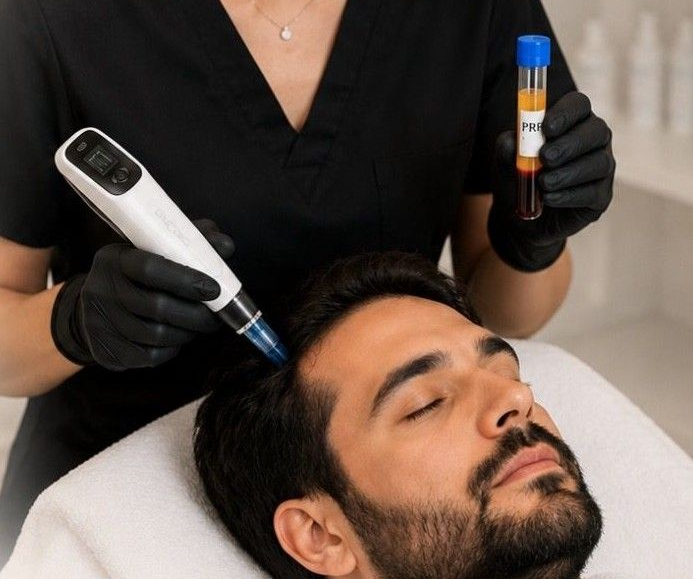
Microneedling uses fine needles to create controlled micro-injuries in the skin. These stimulate the body's natural healing response, including processes involved in collagen and elastin production. Unlike chemical peels, which primarily exfoliate the skin, microneedling targets processes associated with skin structure and collagen remodelling. A9 Skin & Hair Wellness Clinic offers
Dermapen 4 microneedling as one of its skin treatment options.
How Does Microneedling Help With Acne Scars?
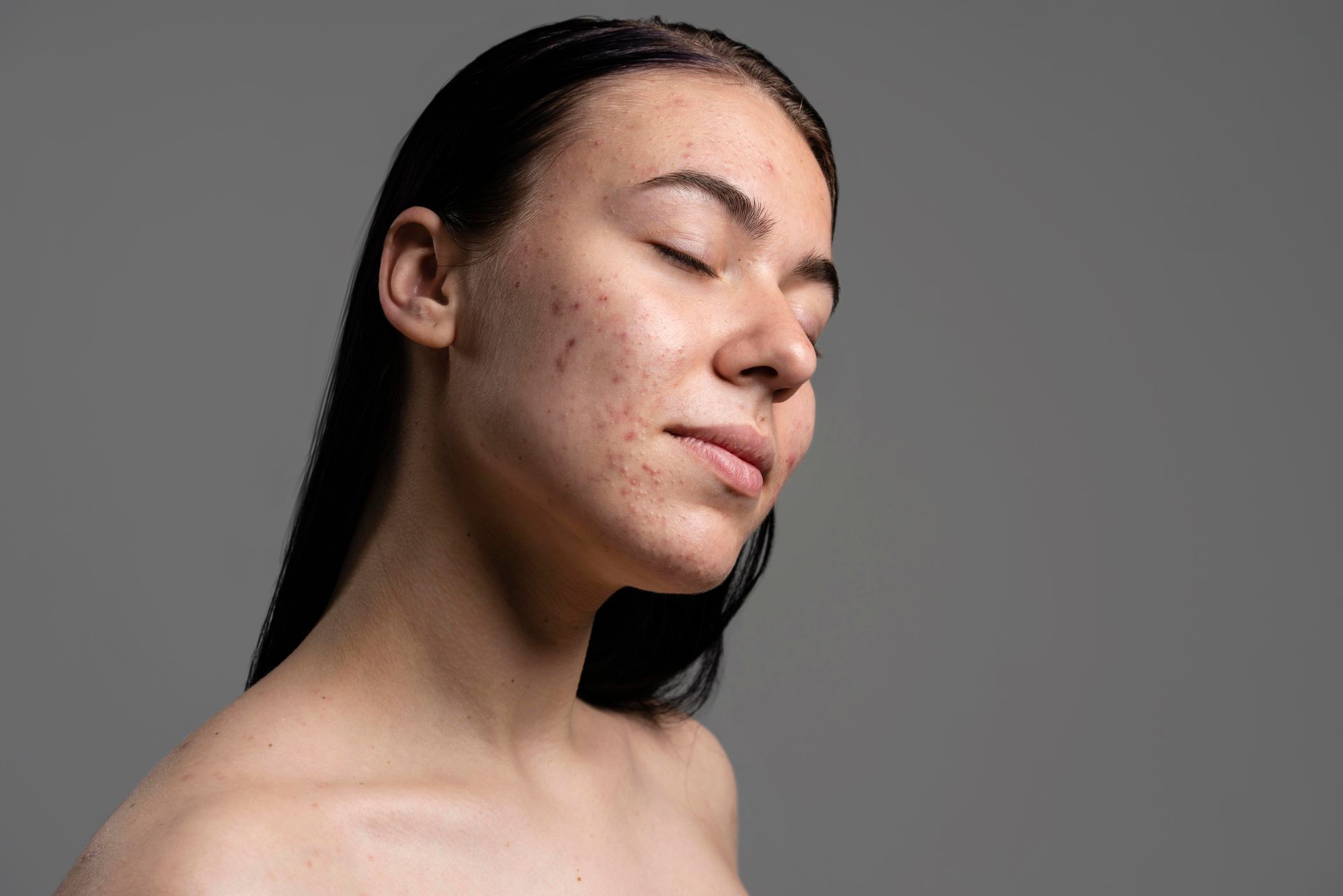
Microneedling for acne scars may help improve certain depressed scars by supporting collagen remodelling. For example, someone with shallow rolling scars across their cheeks may be assessed for microneedling. However, deeper ice-pick scars or significantly tethered scars may require alternative approaches. Results vary according to scar type, severity, skin response and treatment history. Microneedling may also be unsuitable for people with active skin infections or certain inflammatory conditions.
Chemical Peel vs Microneedling: Key Differences
The main difference between a chemical peel vs microneedling is how each treatment works. Chemical peels use chemical exfoliation to promote skin renewal, while microneedling creates controlled micro-injuries that stimulate healing processes.
| Feature | Chemical Peel | Microneedling |
|---|---|---|
| Method | Chemical exfoliation | Controlled micro-injuries |
| Common concerns | Pigmentation, dullness, uneven tone | Acne scars, texture, fine lines |
| Main action | Encourages skin cell turnover | Supports collagen remodelling |
| Downtime | Redness, dryness or peeling | Redness, swelling or sensitivity |
| Treatment course | Depends on peel type | Multiple sessions may be recommended |
| Risks | Irritation, pigmentation changes | Infection, irritation, pigmentation changes |
Is Microneedling Better Than a Chemical Peel?
Neither treatment is universally better. The choice between microneedling vs chemical peel depends on your skin concern, medical history and tolerance for downtime.
For superficial dullness, a chemical peel may be considered. For certain depressed acne scars, microneedling may be more appropriate. A consultation helps identify the suitable approach.
Which Treatment Suits Your Skin Concern?
Different skin concerns respond to different treatment methods. Identifying the underlying issue is important before selecting a procedure
Pigmentation and Melasma
Chemical peels may help improve some superficial pigmentation. However, melasma requires careful management because inflammation and sun exposure can worsen discolouration.
Acne Scars
Microneedling may help improve certain depressed acne scars through collagen remodelling. Suitability depends on scar depth, type and whether active acne is present.
Learn more about
treating acne scars and pigmentation.
Uneven Skin Texture and Dullness
Chemical peels may help smooth surface roughness and improve dullness. Microneedling may help address textural irregularities associated with collagen changes.
Fine Lines
Both treatments may help improve the appearance of certain fine lines through different mechanisms. Results vary, and neither treatment stops natural skin ageing.
Can You Combine a Chemical Peel and Microneedling?
Combining treatments may be considered for selected patients with multiple skin concerns. A9 Skin & Hair Wellness Clinic offers
Dermapen 4 microneedling combined with a peel, with suitability assessed individually. The approach may address different aspects of skin appearance, including surface irregularities and texture. However, combining treatments does not automatically improve results.
Is Combining Treatments Safe?
Safety depends on the peel formulation, microneedling depth, skin condition and individual risk factors. Combining procedures may increase irritation, inflammation and the risk of pigmentation changes, particularly in sensitive or melasma-prone skin. For some people, spacing treatments apart or choosing a single procedure may be more appropriate. A registered nurse can assess these considerations during a consultation.
Downtime, Aftercare and What to Expect
Downtime varies according to treatment intensity and individual healing. After a superficial chemical peel, you may experience redness, dryness, tightness or flaking. Stronger peels can involve more noticeable peeling and longer recovery. Microneedling commonly causes temporary redness, warmth, swelling or sensitivity. These effects often settle over several days, although recovery varies.
How Should You Care for Your Skin Afterwards?
According to established skin treatment aftercare principles, protecting the skin barrier supports recovery.
Your practitioner may recommend:
- Using gentle skincare and avoiding exfoliating products
- Applying suitable moisturiser
- Protecting treated skin from UV exposure
- Avoiding picking or scratching the skin
- Temporarily avoiding irritating skincare ingredients
- Following personalised aftercare instructions
Seek prompt medical advice if you experience increasing pain, spreading redness, pus or fever following treatment.
Why a Skin Consultation Comes First
A skin consultation helps determine whether chemical peels, microneedling or another approach may suit your concerns. At A9 Skin & Hair Wellness Clinic, free skin consultations are conducted with a registered nurse. Your consultation may include an assessment of your skin history, pigmentation concerns, acne, sensitivity, medications and potential contraindications. For example, someone experiencing melasma alongside uneven texture may require a different treatment approach from someone with stable acne scarring. The consultation also provides an opportunity to discuss risks, expected downtime, treatment frequency and realistic expectations.
The key takeaway: Chemical peels and microneedling work differently, and neither suits everyone. Individual assessment is important for selecting an appropriate treatment and understanding potential outcomes. If you're considering a chemical peel, Dermapen 4 microneedling or combining treatments, book a free skin consultation with A9 Skin & Hair Wellness Clinic. Visit the clinic on Railway Parade, Westmead, minutes from Parramatta CBD, or call us on 0410 955 299 to arrange your consultation.
Frequently Asked Questions
Is a Chemical Peel or Microneedling Better for Acne Scars?
Microneedling may help improve certain depressed acne scars through collagen remodelling. Chemical peels may help address superficial discolouration, but suitability depends on the type of scarring.
Can a Chemical Peel Make Melasma Worse?
Yes. Some chemical peels can trigger inflammation and worsen melasma or post-inflammatory hyperpigmentation. Professional assessment is important before treatment.
How Many Microneedling Sessions Will I Need?
Multiple sessions may be recommended depending on your skin concerns and response. Your practitioner can discuss an individual treatment plan, although results vary.
How Long Is the Downtime?
Superficial peels may cause temporary redness and flaking. Microneedling commonly causes redness and sensitivity for several days, while stronger peels may require longer recovery.
Can I Combine a Chemical Peel and Microneedling?
Selected treatment protocols may combine both procedures. However, suitability depends on skin type, treatment intensity and individual risk factors.
Are These Treatments Suitable for All Skin Types?
Not necessarily. Certain skin conditions, active infections and pigmentation tendencies may increase treatment risks. A consultation helps identify contraindications and suitable options.