

Visit Our Clinic in Westmead
PRF Hair Restoration in Parramatta
Near Parramatta Sydney
- Free Consultations
- Aesthetic Treatments
- Hair Restoration
- Gift Vouchers Available
- Buy in Bulk and Save
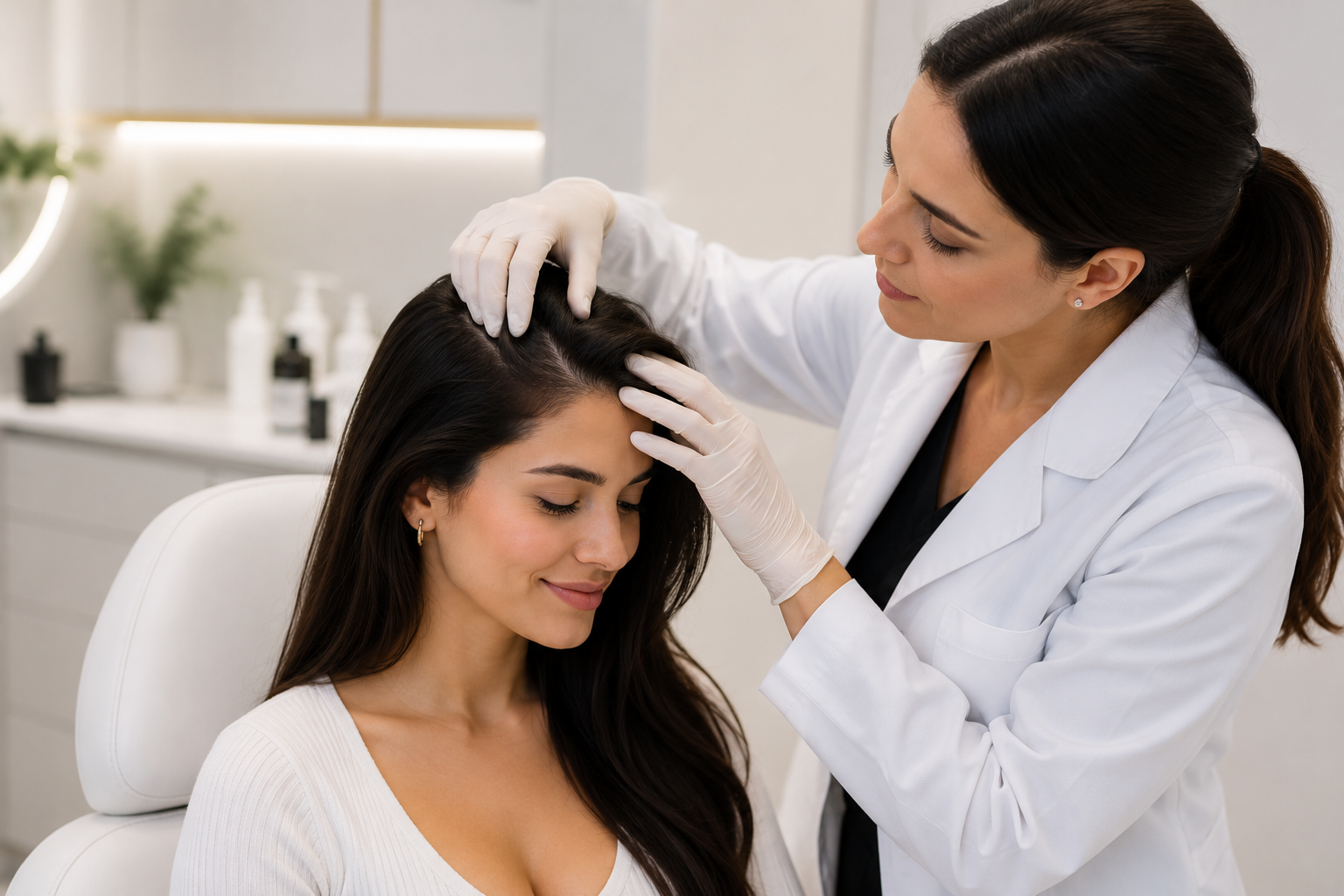
What is PRF Hair Treatment?
PRF (Platelet-Rich Fibrin) is an advanced regenerative hair restoration treatment that uses your body's own healing components to support healthier hair growth.
A small sample of your blood is collected and processed to create a concentrated fibrin matrix rich in:
- Platelets
- Growth Factors
- White Blood Cells
- Stem Cell Signalling Proteins
Unlike traditional PRP, PRF is processed without anticoagulants, creating a natural fibrin scaffold that allows growth factors to be released gradually over time. This prolonged release may help support scalp health and stimulate hair follicles for longer.
If you’re ready to explore a natural option for hair restoration, call 0410 955 299 to enquire or book your consultation online.
How Does PRF Improve Hair Health?
PRF works by delivering concentrated growth factors directly into areas affected by hair thinning.
Potential benefits include:
- Supporting hair follicle health
- Improving scalp circulation
- Encouraging thicker-looking hair
- Helping reduce excessive shedding
- Supporting dormant hair follicles
- Enhancing overall scalp health
Results vary between individuals and depend on factors such as the cause of hair loss, age, medical history, and consistency of treatment.
Natural Regeneration
Advanced Fibrin Technology
Scalp Renewal Support
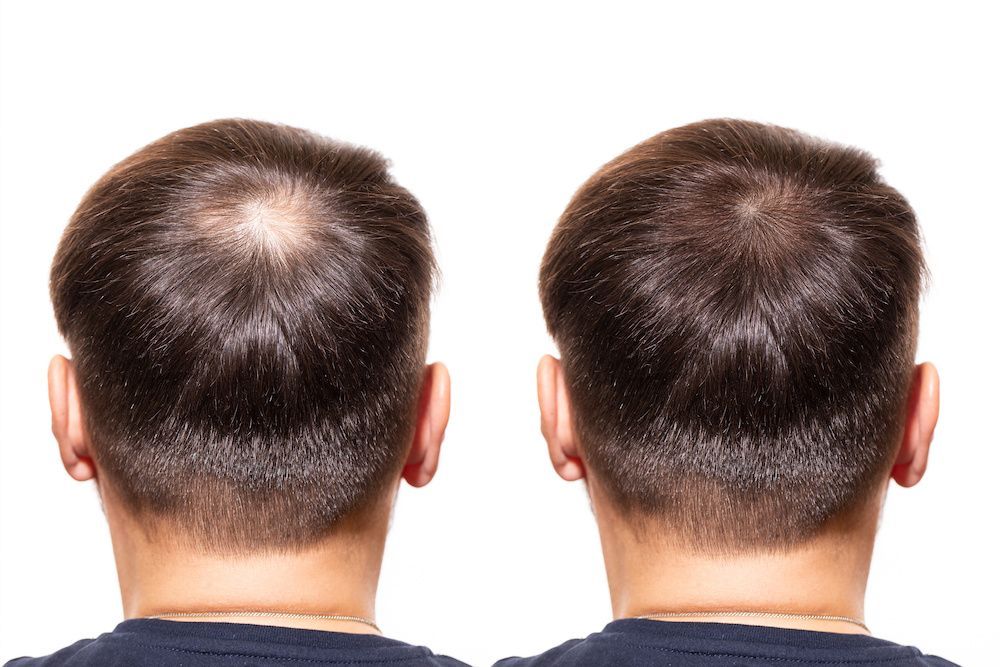
Who May Benefit from PRF Hair Treatment?
Genetic Hair Loss Also known as:
- Male Pattern Hair Loss
- Female Pattern Hair Loss
- Hereditary Hair Thinning
Stress-Related Hair Loss, often referred to as:
- Stress-Induced Hair Shedding
- Sudden Excessive Hair Fall
Nutritional hair loss — hair thinning associated with:
- Low Iron Levels
- Vitamin Deficiencies
- Poor Nutrition
Other possible causes of hair loss:
- Alopecia Areata: an autoimmune condition that may cause patchy hair loss
- Postpartum Hair Loss: significant hair loss following a pregnancy
- Age-Related Hair Thinning: gradual reduction in hair density with age
- Hair Thinning Due to Medical Conditions: following assessment by a healthcare professional.
A consultation is always recommended before treatment to determine suitability and identify possible underlying causes.
Step 1.
Cleansing
Gentle cleansing removes dirt and oil buildup
Step 2.
Microneedling Process
Tiny micro-injuries stimulate collagen and elastin production.
Step 3.
Active Serum Infusion
Serums penetrate deeply for maximum absorption and effectiveness
Step 4.
Soothing Peel Application
A gentle peel enhances skin renewal and brightens the complexion
Step 5.
Hydration & Protection
Nourishing hydration and SPF are applied for skin recovery
How Does It Work
A detailed hair and scalp assessment is performed to determine the possible causes of hair loss and whether PRF is appropriate.
Step 1. Consultation
A small amount of blood is collected from your arm.
Step 2. Blood Collection
The blood is processed using a specialised centrifuge to separate and concentrate the healing components.
Step 3. PRF Preparation
The PRF is carefully administered into targeted areas of the scalp.
Step 4. Scalp Treatment
Most people return to normal daily activities shortly after treatment.
Step 5. Recovery
What is the PRF Hair Treatment Process?
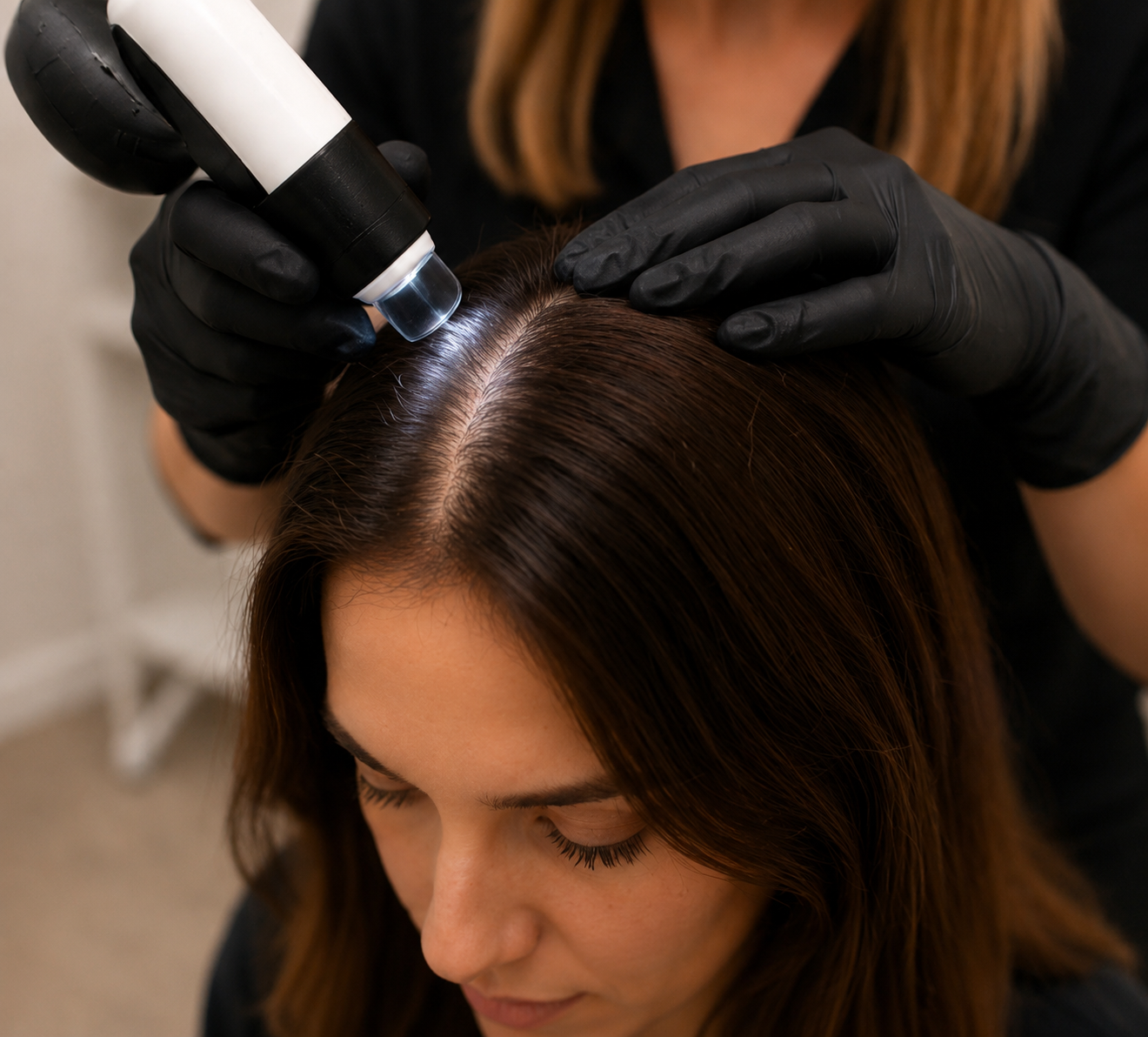
Benefits of PRF Hair Restoration
- Uses your body's own natural growth factors
- Minimally invasive procedure
- No synthetic additives
- Little to no downtime
- Suitable for both men & women
- Can be combined with other hair restoration strategies
FAQ
Does PRF really help hair growth?
PRF delivers concentrated growth factors to the scalp, which may support hair follicle health and improve hair density in suitable candidates.
What is the difference between PRP and PRF?
PRF contains a fibrin matrix that allows a slower release of growth factors over time. It is also prepared without anticoagulants.
How many PRF sessions are needed?
Treatment plans vary depending on the individual. Many patients start with a series of treatments followed by maintenance sessions as recommended by their clinician.
Is PRF better than PRP for hair loss?
Both treatments utilise your body's own growth factors. During consultation, your clinician can discuss which option may be more appropriate based on your individual needs.
Is PRF hair treatment painful?
Most patients report mild discomfort. Numbing options may be discussed during consultation.
How long does a PRF hair treatment take?
Most appointments take approximately 45–60 minutes.
When will I see results?
Hair growth occurs gradually. Individual experiences vary and visible improvements may take several months.
Is there any downtime?
Most people resume normal activities shortly after treatment.
Can women have PRF hair treatment?
Yes. PRF may be suitable for both men and women experiencing hair thinning.
Can PRF be combined with other treatments?
Depending on individual circumstances, PRF may be incorporated into a broader hair restoration plan.
What is the difference between PRP and PRF?
Both PRP (Platelet-Rich Plasma) and PRF (Platelet-Rich Fibrin) are regenerative treatments that utilise components from your own blood to support scalp and hair health. The main difference is that PRF contains a fibrin matrix, which may allow growth factors to be released more gradually over time. PRP contains a concentrated level of platelets and growth factors but does not contain the same fibrin scaffold.
Is PRF newer than PRP?
Yes. PRF is considered a newer generation of platelet-based regenerative treatment and is often viewed as an evolution of traditional PRP techniques.
Which treatment is better for hair loss: PRP or PRF?
There is no single treatment that is best for everyone. The most suitable option depends on factors such as the type of hair loss, severity of thinning, scalp condition, treatment goals, and individual response. A consultation can help determine which option may be more appropriate for your situation.
Does PRF contain more growth factors than PRP?
PRF contains platelets, growth factors, white blood cells, and a fibrin matrix. Because of its preparation process, PRF may provide a slower and more sustained release of growth factors compared to PRP.
Why is PRF often considered a premium treatment?
PRF is prepared using a specialised protocol that preserves more regenerative components and creates a fibrin scaffold. This may allow growth factors to remain active for a longer period after treatment.
Does PRP work faster than PRF?
Individual responses vary. Both treatments work gradually, and hair growth is a slow biological process. Improvements are typically assessed over several months rather than weeks.
Which treatment has less downtime?
Both PRP and PRF are minimally invasive treatments with little to no downtime. Most clients can return to normal activities shortly after their appointment.
Can PRP and PRF be combined with other hair loss treatments?
Depending on individual circumstances, PRP or PRF may be incorporated into a broader hair restoration plan that may include medical therapies, scalp health management, or other clinician-recommended treatments.
Is PRF more natural than PRP?
Both treatments are derived from your own blood. However, PRF is prepared without anticoagulants or additives, making it a completely natural blood concentrate.
How many PRP or PRF sessions will I need?
The number of treatments varies depending on the cause and severity of hair loss, individual goals, and clinician recommendations. A personalised treatment plan will be discussed during consultation.
Can PRP or PRF help with male and female pattern hair loss?
Both treatments may be considered for individuals experiencing male pattern hair loss, female pattern hair loss, and certain other forms of hair thinning following a professional assessment.
What causes hair loss?
Hair loss can occur for many reasons, including:
• Genetics (male and female pattern hair loss)
• Stress and illness
• Hormonal changes
• Nutritional deficiencies
• Thyroid conditions
• Pregnancy and postpartum changes
• Autoimmune conditions such as Alopecia Areata
• Age-related hair thinning
• Certain medications and medical conditions
Identifying the underlying cause is an important part of developing an appropriate treatment plan.
Will I need a consultation before PRP or PRF?
Yes. A comprehensive consultation and scalp assessment are recommended to determine the cause of hair loss and whether PRP or PRF and Exosomes is suitable for your individual circumstances.
Reach Out
Tell us about your hair concerns and what you’d like to improve.
Our team will be in touch to help you take the next step.
Contact Us
Thank you for contacting A9 Skin and Hair Clinic.
We will get back to you as soon as possible.
Oops, there was an error sending your message.
Please try again later.