

Visit Our Clinic in Westmead
Melasma in Parramatta
- Free Consultations
- Aesthetic Treatments
- Hair Restoration
- Gift Vouchers Available
- Buy in Bulk and Save
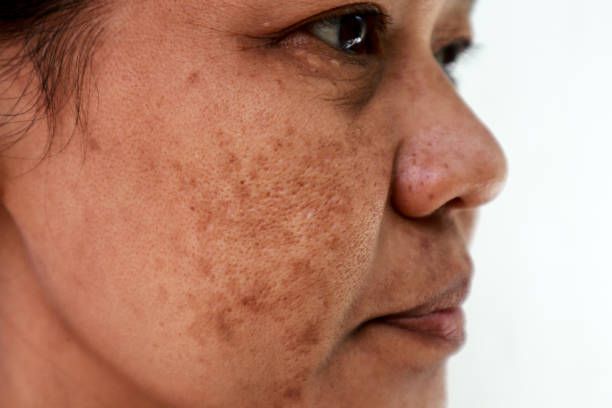
Managing Pigmentation & Uneven Skin Tone
Melasma is a common skin condition characterised by dark, discoloured patches that typically appear on the face, including the cheeks, forehead, nose and upper lip. It is often linked to hormonal changes, sun exposure and genetic factors, making it more prevalent in women, particularly during pregnancy or when using hormonal medications. At A9 Skin & Hair Wellness Clinic in Parramatta, we focus on identifying the underlying triggers of melasma and supporting a more balanced, even-looking skin tone.
Although melasma is harmless, it can be persistent and may become more noticeable over time, especially with ongoing sun exposure. Managing melasma often involves understanding what may be contributing to pigmentation and supporting the skin through targeted care. Our approach involves assessing skin condition and helping reduce the appearance of uneven pigmentation while supporting overall skin health. If you’ve noticed dark patches or changes in your skin tone, call 0410 955 299 to learn more about how melasma can be managed.
Understanding Triggers & Pigmentation Changes
Melasma develops when melanin production increases in certain areas of the skin, leading to visible patches of pigmentation. This process is often influenced by a combination of internal and external factors. Recognising these triggers can help in understanding how melasma develops and how it may be managed over time.
- Hormonal Changes – Pregnancy, birth control and hormone therapy can trigger melasma
- Sun Exposure – UV exposure stimulates melanin production, making pigmentation more noticeable
- Genetic Factors – A family history can increase susceptibility
- Skin Irritation – Harsh products or over-exfoliation may trigger or worsen pigmentation
If uneven pigmentation is affecting how your skin looks and feels, we can guide you through ways to better manage it and support a more balanced complexion. Book online or reach out to learn more.
Pigmentation Support
Even Skin Focus
Tone Correction Care
FAQ
Is melasma permanent?
Melasma is not always permanent, but it can be persistent and may return over time. In some cases, pigmentation may fade, particularly when triggers are reduced. However, factors such as sun exposure and hormonal changes can cause it to reappear. The condition can vary depending on individual skin type and lifestyle. Ongoing management is often important.
Can melasma be treated naturally?
Some natural approaches may help support overall skin health, but their effect on melasma can be limited. Pigmentation caused by melasma often develops deeper within the skin. Because of this, noticeable changes may take time. Results can vary depending on the individual and the severity of the condition. A consistent approach to skin care is important.
What treatments are commonly used for melasma?
Melasma is often managed using a combination of approaches that support skin renewal and reduce the appearance of pigmentation. These may include topical products and treatments that promote exfoliation and skin turnover. The approach can vary depending on skin type and the depth of pigmentation. Results are typically gradual rather than immediate. Individual responses can differ.
How can I prevent melasma from getting worse?
Preventing melasma from worsening often involves reducing exposure to known triggers. Sun protection plays a key role, as UV exposure can increase pigmentation. Using gentle skincare products may also help reduce irritation that can contribute to melasma. Avoiding harsh treatments can support overall skin balance. Consistency is important in managing the condition.
Reach Out
Tell us about your concerns and what you’d like to improve. Our team will be in touch to guide you towards the right treatment.
Contact Us
Thank you for contacting A9 Skin and Hair Clinic.
We will get back to you as soon as possible.
Oops, there was an error sending your message.
Please try again later.