
Common Causes Of Hair Loss And Thinning
Hair loss and thinning usually come down to one or more of a handful of causes: genetics, hormonal changes, stress, ageing, nutrition, or an underlying medical condition or medication. Some cause temporary shedding that settles once the trigger passes, while others are progressive. Knowing which one you’re dealing with shapes every decision that follows.
This guide explains the common causes of hair loss in plain terms, how to tell temporary hair loss from long-term thinning, and why a proper assessment should come before any treatment.
Normal Shedding vs Hair Loss: What’s Worth Paying Attention To
Everyone sheds hair. Each follicle moves through growth, resting and shedding phases, so hairs on your brush or in the shower drain are a normal part of that cycle.
What’s worth noticing is change. A widening part, a receding hairline, a crown that looks sparser in photos, or a ponytail that feels thinner can all point to reduced hair density rather than routine shedding. So can excessive hair shedding that starts suddenly, or patches where hair has fallen out completely.
If your hair loss is sudden, patchy or rapid, or comes with other symptoms, speak with your GP. healthdirect also recommends talking to your doctor if hair loss is worrying you.
Genetics and Pattern Hair Loss
Inherited hair loss is known medically as androgenetic alopecia. According to healthdirect, the term covers both male and female pattern hair loss. Over time, follicles in affected areas shrink and produce finer, shorter hairs, and some eventually stop producing visible hair.
The pattern usually differs between men and women. Male pattern hair loss often shows as a receding hairline or thinning at the crown. Female pattern hair loss tends to appear as diffuse thinning across the top of the scalp with a widening part, and healthdirect identifies it as the most common type of hair loss and thinning in females.
Because androgenetic alopecia is progressive, noticing it early gives you more options.
Hormonal Changes That Affect Hair Density
Hormones influence the hair growth cycle, so shifts at different life stages can show up in your hair. Many people notice increased shedding in the months after childbirth, as hair that stayed in the growth phase during pregnancy moves into shedding. Menopause can also bring gradual changes in hair density and texture.
Hormonal conditions can play a role too. Thyroid issues and polycystic ovary syndrome (PCOS) are both linked with hair changes. These conditions need medical diagnosis and management, so see your GP if you suspect a hormonal cause, particularly if you also notice symptoms such as fatigue, irregular periods or unexplained weight changes.
Stress and Sudden Shedding
A stressful event such as illness, surgery, a high fever, bereavement or a major life change can push many hairs into the resting phase at once. They then shed together some time later, which is why the shedding often seems to come out of nowhere.
This type of shedding is called telogen effluvium. It usually shows up as diffuse thinning across the whole scalp rather than bald patches. In many cases it settles once the trigger has passed, although recovery takes time and varies between people. Ongoing stress can prolong it, so addressing the trigger matters as much as anything you do for your hair.
Ageing and Gradual Thinning
Hair naturally changes with age. Over the years, strands can become finer, growth can slow, and overall hair density may reduce. This thinning tends to be gradual and fairly even rather than concentrated in one area.
Age-related changes often overlap with other causes. Pattern hair loss typically becomes more noticeable with age, and hormonal shifts around menopause can add to it. Because several factors can be at play at once, it’s worth understanding what’s driving your thinning before assuming it’s simply part of getting older.
Nutritional Deficiencies and Hair Health
Healthy hair growth relies on your body having what it needs to sustain the growth cycle. Restrictive diets, rapid weight loss, or eating patterns that fall short over time can all contribute to thinning or increased shedding.
Guessing and self-treating isn’t the answer. Nutrition-related hair changes can look similar to other causes, and only a doctor can confirm a deficiency through appropriate testing. If you’ve changed your diet significantly or suspect a nutritional link, talk to your GP. A balanced, varied diet supports your overall health, including your hair and scalp health.
Medical Conditions and Medications Linked to Hair Loss
Some hair loss relates to an underlying health condition. Autoimmune conditions such as alopecia areata can cause sudden, patchy hair loss, and inflammatory scalp conditions can affect the follicles. Certain medications also list hair shedding as a possible side effect.
If you notice hair loss after starting a new medication, don’t stop taking it on your own. Speak with your GP or prescribing doctor, who can review whether it’s a factor. The same applies to sudden, patchy or unexplained hair loss: your GP is the right first step to rule out or manage a medical cause.
Temporary vs Long-Term Hair Loss: Knowing the Difference
Not all hair loss follows the same course, and this distinction shapes what you can realistically expect.
Temporary hair loss usually has an identifiable trigger. Stress-related shedding, postpartum shedding and some nutrition-related thinning fall into this group. Once the trigger passes or is addressed, shedding can settle and the growth cycle can recover over time.
Long-term or progressive hair loss continues or worsens without a clear end point. Androgenetic alopecia is the main example, as it tends to progress gradually. Scarring alopecias are another: inflammation permanently damages the follicles, so hair in those areas can’t grow back.
Some people experience both at once. Example: a woman in her 40s notices heavy shedding after a stressful year. That shedding may settle once life calms down, but an assessment could also reveal early female pattern thinning developing underneath. Treating the two as one problem can lead to unrealistic expectations, which is why identifying the cause comes first.
Why Early Assessment Matters
Healthdirect notes that understanding the cause is important before treating hair loss. A hair loss treatment chosen without that understanding may not suit your type of hair loss, and progressive conditions are easier to manage before significant thinning sets in.
As a
hair clinic in Parramatta, A9 Skin & Hair Wellness Clinic starts every hair loss assessment by looking at what may be contributing to your hair changes, whether that’s genetics, hormones, stress or another factor. Our hair scalp analysis uses imaging technology to closely examine your scalp and hair follicles. It helps identify issues such as thinning, blocked follicles, dryness, excess oil, inflammation or poor scalp circulation.
Professional Treatment Options for Thinning Hair
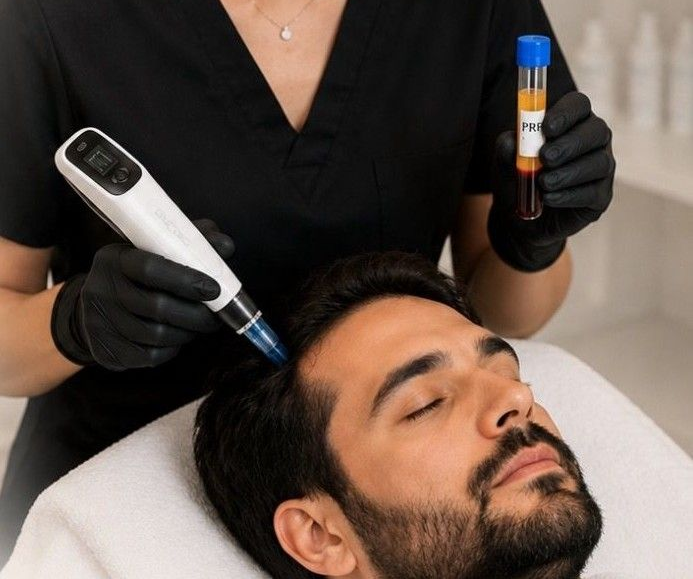
Once the likely cause is clearer, treatment can be planned around your pattern of hair loss and scalp condition. Options available at A9 include:
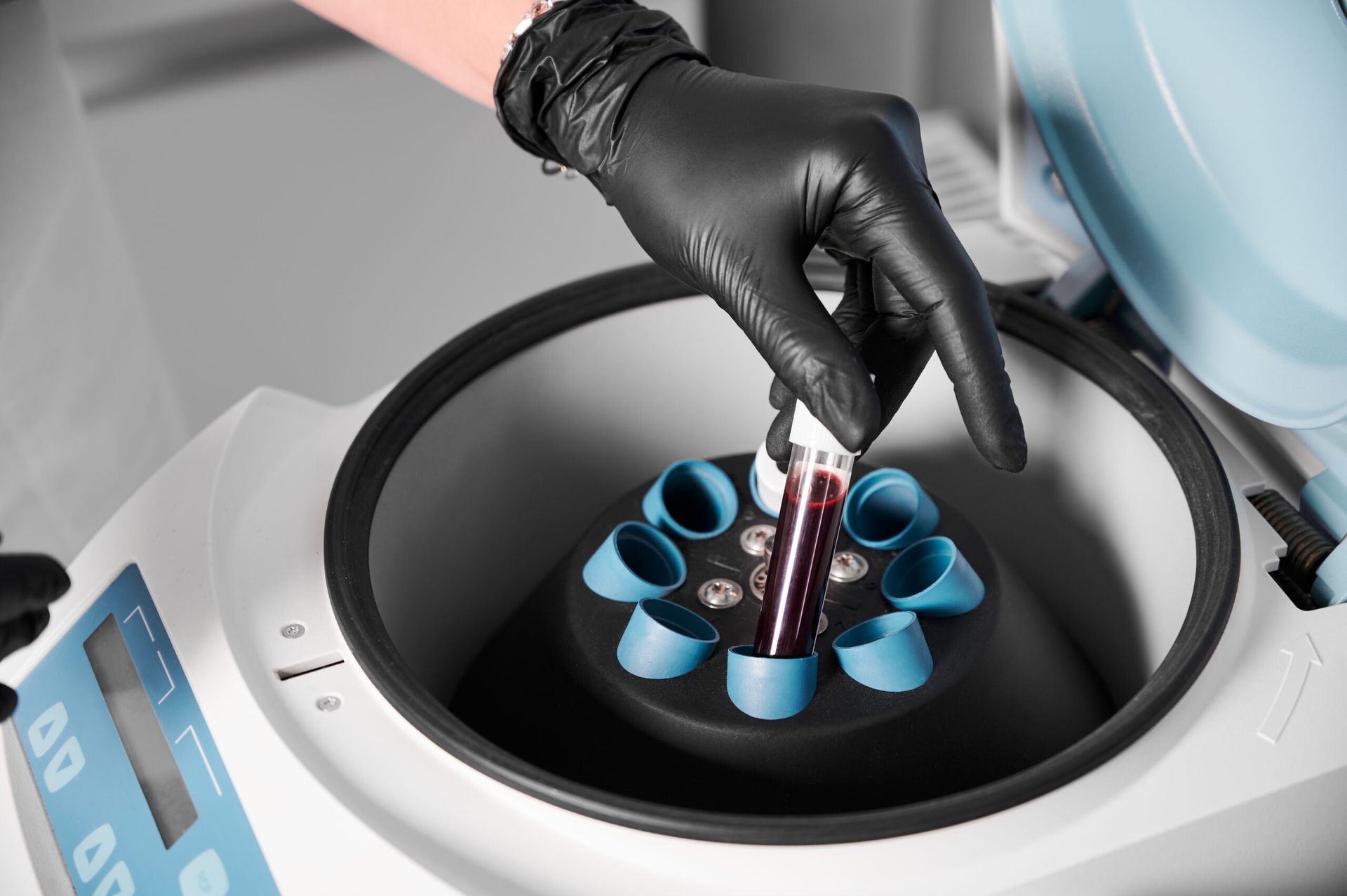
- PRF and PRP hair restoration
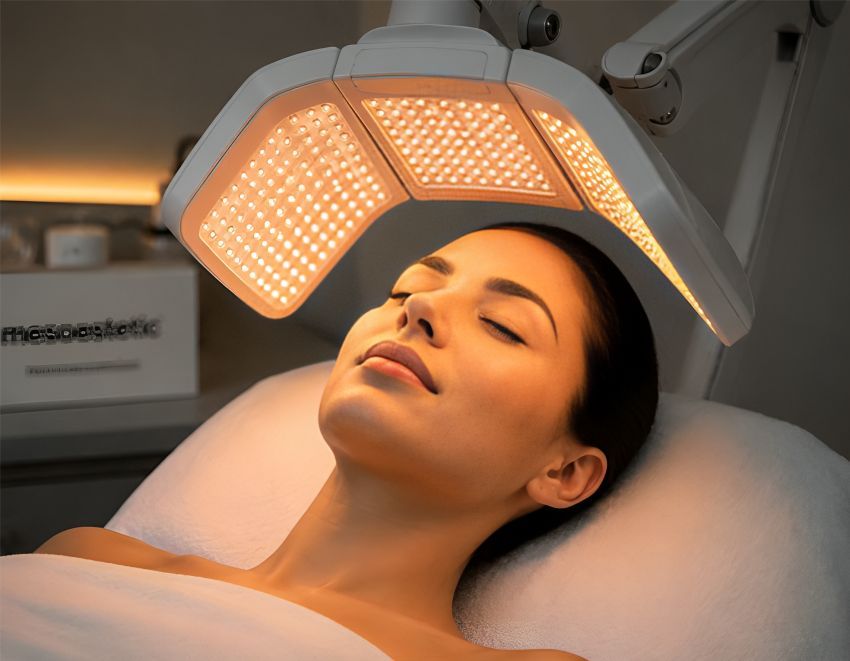
- LED light hair therapy
- Exosome hair treatment
- Hair restoration
We tailor each plan to the individual and monitor progress over time. We’re also upfront that some forms of hair loss are progressive and can’t be fully reversed, and that response to treatment varies from person to person. To learn more about one option, read our blog PRP Hair Treatment in Parramatta – The Ultimate Solution for Hair Loss.
Hair loss rarely has a single obvious cause, and the right next step depends on what’s behind yours. If you’ve noticed changes in your hair density or shedding, book a free personalised consultation with A9 Skin & Hair Wellness Clinic. Call 0410 955 299 to arrange a time.
Frequently Asked Questions
Can stress cause hair loss?
Yes. A stressful event can trigger telogen effluvium, where many hairs enter the resting phase and shed together later. It often settles once the trigger passes, though recovery time varies.
Is hair thinning permanent?
It depends on the cause. Shedding linked to stress, childbirth or another temporary trigger can settle, while androgenetic alopecia is progressive and scarring alopecia causes permanent loss in affected areas.
When should I see a doctor about hair loss?
See your GP if your hair loss is sudden, patchy or rapid, comes with other symptoms, or started after a new medication. healthdirect recommends talking to your doctor whenever hair loss worries you.
What happens during a hair scalp analysis?
Imaging technology is used to closely examine your scalp and follicles. It helps identify issues such as thinning, blocked follicles, dryness, excess oil, inflammation or poor scalp circulation, which then informs a tailored plan.