Visit Our Clinic in Westmead
Scarring Alopecia Treatment in Parramatta
- Free Consultations
- Aesthetic Treatments
- Hair Restoration
- Gift Vouchers Available
- Buy in Bulk and Save
Managing Hair Loss & Scalp Health
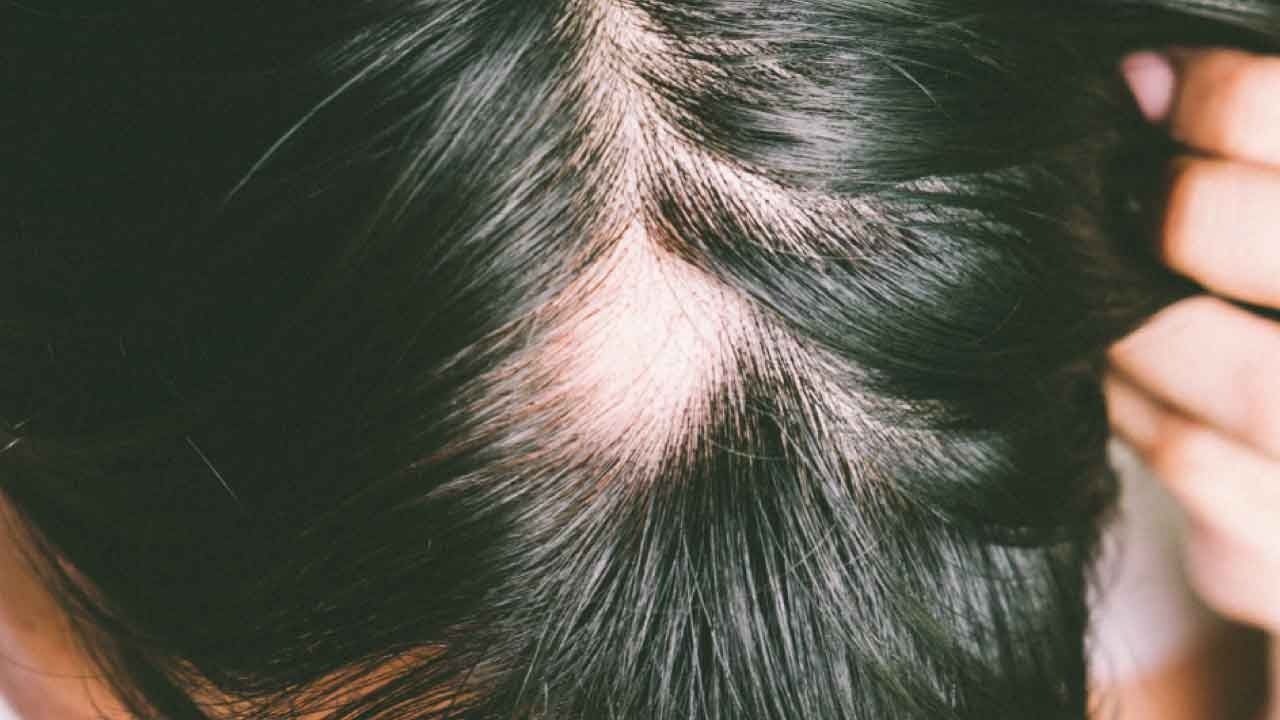
Scarring Alopecia, also known as cicatricial alopecia, is a permanent hair loss condition caused by inflammation that destroys hair follicles and replaces them with scar tissue. Unlike other forms of hair loss, hair does not regrow naturally once the follicles are irreversibly damaged. The condition can affect both men and women and may occur due to autoimmune disorders, infections or trauma to the scalp. At A9 Skin & Hair Wellness Clinic in Parramatta, we focus on identifying signs of inflammation and supporting overall scalp health to help manage changes associated with this condition.
Scarring alopecia can develop gradually, and symptoms may vary depending on the underlying cause. In some cases, early changes can be managed to help reduce further progression and support surrounding hair. Our approach involves assessing scalp condition, identifying contributing factors and helping maintain a healthier scalp environment over time. If you’re noticing unusual hair loss, scalp discomfort or visible changes, call 0410 955 299 to discuss your concerns and explore your next steps.
Understanding Causes & Scalp Damage
Scarring alopecia develops when inflammation damages the hair follicles and leads to the formation of scar tissue. This process can interrupt the normal hair growth cycle and prevent new hair from forming in affected areas. Identifying the cause of this inflammation can help in understanding how the condition may progress and how to better manage scalp health.
- Autoimmune Disorders – The immune system attacks hair follicles, leading to inflammation and scarring
- Scalp Infections – Bacterial, viral or fungal infections may damage follicles over time
- Severe Inflammation – Ongoing inflammation can lead to tissue damage and scarring
- Trauma or Injury – Burns, wounds or repeated stress can affect follicle health
- Radiation or Medical Treatments – Certain procedures may contribute to permanent hair loss
If you’re concerned about ongoing scalp changes or hair loss, we can help you understand possible causes and support overall scalp health. Get in touch or book online to take the next step.
Inflammation Awareness
Scalp Health Focus
Progression Management
FAQ
Is scarring alopecia reversible?
Scarring alopecia is generally considered permanent because the hair follicles are damaged and replaced with scar tissue. Once this occurs, the affected follicles are no longer able to produce new hair. The condition can vary depending on the cause and how early it is identified. In some cases, progression may be slowed with appropriate care. Outcomes can differ between individuals.
How can I tell if I have scarring alopecia?
Scarring alopecia may present with symptoms such as patchy hair loss, redness, burning or tenderness of the scalp. Some individuals may also notice areas where the scalp appears smooth or scarred. These changes can develop gradually and may be accompanied by inflammation. The symptoms can vary depending on the underlying cause. Early changes are important to recognise.
What causes scarring alopecia?
Scarring alopecia is caused by inflammation that damages the hair follicles and leads to the formation of scar tissue. This inflammation may result from autoimmune conditions, infections or physical trauma to the scalp. In some cases, the exact cause may not be clearly identified. The process disrupts the normal hair growth cycle. The condition can progress differently depending on individual factors.
Can scarring alopecia spread?
Scarring alopecia can progress over time and may affect larger areas of the scalp if the underlying cause continues. The rate of progression can vary depending on the type and severity of the condition. Some individuals may experience gradual changes, while others may notice more rapid progression. Monitoring changes in the scalp is important. Early recognition may help in managing the condition.
Does scarring alopecia cause pain or discomfort?
Some individuals with scarring alopecia may experience symptoms such as itching, burning or tenderness of the scalp. These sensations are often linked to underlying inflammation. The level of discomfort can vary depending on the severity of the condition. In some cases, symptoms may come and go. Paying attention to these changes can help in recognising early signs.
Can hair grow back after scarring alopecia?
Hair does not typically grow back in areas where the follicles have been fully replaced by scar tissue. However, surrounding hair may remain unaffected depending on the extent of the condition. The overall appearance can vary depending on how much of the scalp is involved. Early changes may be easier to manage than more advanced stages. Outcomes can differ between individuals.
Reach Out
Tell us about your hair concerns and what you’d like to achieve.
Our team will be in touch to guide you through your next steps.
Contact Us
Thank you for contacting A9 Skin and Hair Clinic.
We will get back to you as soon as possible.
Oops, there was an error sending your message.
Please try again later.