Visit Our Clinic in Westmead
Traction Alopecia Treatment in Parramatta
- Free Consultations
- Aesthetic Treatments
- Hair Restoration
- Gift Vouchers Available
- Buy in Bulk and Save
Reducing Tension & Hair Loss
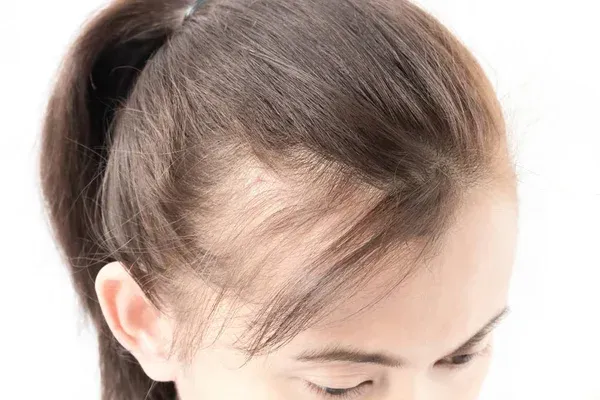
Traction Alopecia is a gradual hair loss condition caused by excessive and prolonged tension on the hair follicles due to tight hairstyles such as braids, ponytails, weaves or extensions. Continuous strain can weaken the roots, leading to hair thinning, breakage and, over time, damage to the follicles. At A9 Skin & Hair Wellness Clinic in Parramatta, we focus on identifying styling habits that may be contributing to this type of hair loss and supporting the scalp and follicles through this process.
If left untreated, traction alopecia can result in permanent hair loss in affected areas, often around the hairline and temples. In many cases, early changes can be managed by reducing tension and improving overall scalp care. Our approach involves assessing how the hair is being styled, supporting follicle health and helping prevent further strain on the scalp. If you’re noticing thinning around the hairline or areas of tension, call 0410 955 299 to discuss your concerns and explore your next steps.
Common Causes of Traction Alopecia
Traction alopecia develops over time as repeated tension places ongoing stress on the hair follicles. This can lead to inflammation, weakening of the hair roots and, in some cases, long-term damage. Understanding these causes can help in recognising early signs and reducing further strain on the scalp.
- Tight Hairstyles – Braids, ponytails, buns and similar styles place continuous tension on the scalp
- Hair Extensions & Weaves – Added weight can increase strain on natural hair over time
- Frequent Chemical Treatments – Relaxers and perms may weaken the hair, making it more prone to breakage
- Excessive Heat Styling – Repeated use of heated tools can contribute to dryness and brittleness
- Repeated Tension Over Time – Ongoing pulling can lead to inflammation and potential follicle damage
If you’re concerned about styling-related hair loss or noticing changes around your hairline, we can help you understand what may be contributing and how to reduce ongoing strain. Get in touch or book online to take the next step towards healthier hair and scalp support.
Tension Awareness
Follicle Protection
Preventative Approach
FAQ
Can traction alopecia be reversed?
Traction alopecia may be reversible if it is identified early and the source of tension is removed. When the hair follicles have not been permanently damaged, they can recover and resume normal growth. However, prolonged tension can lead to lasting damage in some cases. The outcome often depends on how long the follicles have been under strain. Early changes are typically easier to manage.
How can I tell if I have traction alopecia?
Common signs of traction alopecia include thinning around the hairline, receding edges or tenderness in areas that are frequently styled tightly. Some individuals may also notice breakage or small areas of hair loss. The condition often develops gradually over time rather than suddenly. Changes are usually linked to specific styling patterns. Recognising these signs early can help prevent further damage.
Which hairstyles can cause traction alopecia?
Traction alopecia can often be prevented by avoiding hairstyles that place excessive tension on the hair. Looser styles and limiting the use of extensions or tight braiding can help reduce stress on the follicles. It is also important to give the hair regular breaks from styling that pulls on the roots. Paying attention to early signs such as tenderness or thinning can help prevent progression. Consistent care can support long-term hair health.
What helps with traction alopecia?
Managing traction alopecia often involves reducing tension on the hair and supporting overall scalp health. Adjusting styling habits can help minimise further strain on the follicles. Gentle hair care practices may also help reduce breakage and irritation. Changes may take time to show visible improvement. The response can vary depending on the extent of the condition.
Can traction alopecia affect men?
Traction alopecia can affect both men and women, depending on styling habits and external factors. In men, it may be linked to hairstyles that pull on the hair or consistent pressure from headwear. The condition is not limited by gender. The pattern of hair loss can vary depending on the cause. Awareness of contributing factors can help in recognising early signs.
How long does hair take to grow back after traction alopecia?
Hair regrowth after traction alopecia can vary depending on the extent of follicle damage. In early stages, hair may begin to recover once tension is reduced. The process can take several months, as hair growth occurs gradually. In more advanced cases, recovery may be limited. Individual results can differ based on overall scalp and hair health.
Reach Out
Tell us about your hair concerns and what you’d like to achieve.
Our team will be in touch to guide you through your next steps.
Contact Us
Thank you for contacting A9 Skin and Hair Clinic.
We will get back to you as soon as possible.
Oops, there was an error sending your message.
Please try again later.