
How Skin Clinics Help Treat Acne Scars And Pigmentation

Understanding how skin clinics help treat acne scars and pigmentation starts with recognising that both conditions involve changes beneath the skin's surface — not just on top of it. Over-the-counter products can support skin health, but they rarely address the structural or melanin-related causes that drive persistent scarring and uneven tone. Professional treatment works at a deeper level, which is why a skin clinic in Parramatta is often where lasting improvement begins.

Why Acne Scars and Pigmentation Need a Professional Approach

Acne scars and pigmentation look similar on the surface but have different underlying causes, and that distinction matters for treatment.


Acne scars form when inflamed follicles damage the dermis. Depending on how the skin heals, this can result in depressed (atrophic) scars, raised (hypertrophic) scars, or post-inflammatory erythema, the redness that lingers after a breakout clears. Pigmentation issues, including melasma, sun damage, and post-inflammatory hyperpigmentation, stem from excess melanin production triggered by UV exposure, hormonal changes, or inflammation.


Because the root cause differs, effective treatment requires accurate identification first. Applying a brightening serum to an atrophic scar, or a resurfacing peel to active melasma without understanding the triggers, can worsen the condition rather than improve it. That is why professional assessment is the starting point, not an optional step.

The Importance of a Professional Skin Assessment

A skin assessment does more than identify visible concerns. A trained clinician looks at skin type, tone, the depth and classification of scarring, and any contributing lifestyle or hormonal factors before recommending a treatment pathway.


This matters because the same treatment can produce very different results depending on skin type. Certain laser wavelengths and chemical peel strengths that work well on lighter skin tones carry a higher risk of post-inflammatory hyperpigmentation on deeper skin tones. A thorough assessment accounts for this and shapes the approach accordingly.


Acne scar treatment and pigmentation treatment options are not one-size-fits-all. An assessment ensures the treatments selected are appropriate for the individual, not just the condition in general.

Chemical Peels for Scarring and Uneven Tone

Chemical peels use exfoliating acids to accelerate skin cell turnover, remove damaged surface layers, and stimulate the production of new collagen and elastin. The strength and formulation of the peel is matched to the skin concern and skin type.


Superficial peels using ingredients such as glycolic or lactic acid are commonly used to address mild pigmentation and post-inflammatory marks. Medium-depth peels, which typically use trichloroacetic acid (TCA), can reach the upper dermis and are more suited to textural irregularities and moderate pigmentation.


It is worth noting that chemical peels are generally not recommended for active acne or certain types of pigmentation without a careful clinical assessment first. The goal is to improve the skin's condition, not aggravate it.

Skin Needling: How It Improves Texture

Skin needling, also known as microneedling or collagen induction therapy, uses fine needles to create controlled micro-injuries in the skin. The body's healing response produces new collagen and elastin, which gradually improves the appearance of depressed acne scars and uneven texture over time.


This makes skin needling a commonly recommended acne scar treatment for atrophic scarring, where the skin has lost volume or structure due to previous breakouts. It is generally considered suitable for a range of skin tones, which makes it a versatile option where laser therapy may carry additional risks.


Results from skin needling typically develop gradually across a series of sessions rather than immediately after a single treatment. A clinician can advise on the number of sessions likely needed based on the severity of scarring.

Laser Therapy: What It Targets

Laser therapy uses concentrated light energy to target specific concerns in the skin. Different wavelengths address different issues: some lasers target melanin to break down pigmentation, while others work on the dermis to stimulate collagen remodelling for scar reduction.


Fractional lasers, which treat a fraction of the skin at a time while leaving surrounding tissue intact, are commonly used for both acne scarring and pigmentation. This approach supports faster recovery compared to ablative techniques that resurface the entire treatment area.


Laser therapy for acne scars and pigmentation is generally most effective when used as part of a broader treatment plan rather than as a standalone solution.

What to Expect From Laser Treatment

Downtime and recovery vary significantly depending on the type of laser used and the intensity of the treatment. Non-ablative lasers typically involve minimal downtime, while more intensive fractional or ablative treatments may require several days of recovery.


Sun exposure before and after laser treatment can affect outcomes and increase the risk of post-treatment pigmentation changes, particularly for individuals with darker skin tones. A clinician will generally advise on sun protection protocols as part of the treatment plan.


Multiple sessions are often required to achieve meaningful improvement, and results vary between individuals. Clinicians frame outcomes in terms of likely improvement rather than guaranteed results, which is the appropriate and accurate way to approach cosmetic treatment.

Building a Customised, Long-Term Skincare Plan

Individual treatments rarely deliver lasting results in isolation. Acne scarring and pigmentation tend to respond best to a structured approach that combines in-clinic treatments with a consistent at-home skincare routine and, where relevant, addresses contributing factors such as sun exposure or hormonal triggers.


A long-term plan might sequence treatments to build on each other, for example starting with a series of chemical peels to address surface pigmentation before progressing to skin needling or laser therapy for deeper textural concerns. The plan is reviewed and adjusted as the skin responds.


Understanding how skin clinics help treat acne scars and pigmentation means understanding that the process is cumulative. Improvement takes time, and the most effective outcomes come from consistent, professional-guided care rather than a single in-clinic visit.

Ready to Take the Next Step? Book a Skin Assessment at A9 Clinic

If you are dealing with acne scarring, uneven skin tone, or persistent pigmentation, the first step is getting a clear picture of what is driving it. At A9 Clinic, we assess each client individually and build a treatment plan suited to their skin type, concerns, and goals.


We offer a range of pigmentation treatment options and acne scar treatments delivered by trained clinicians in a professional environment. Get in touch with our team to book your skin assessment and find out which approach is right for you.

Frequently Asked Questions

  • What is the difference between acne scars and pigmentation?

    Acne scars involve structural changes to the skin caused by damage to the dermis during healing, including depressed or raised marks. Pigmentation refers to discolouration caused by excess melanin, which can result from sun exposure, hormonal changes, or post-inflammatory responses. Both can occur together, but they require different treatment approaches.

  • How many sessions does it take to see results from acne scar treatment?

    This depends on the treatment type and the severity of the scarring. Skin needling and laser therapy typically require a series of sessions spaced several weeks apart, with gradual improvement visible over months. A clinician will provide a realistic outline of the expected timeline during your initial assessment.

  • Can pigmentation come back after treatment?

    Pigmentation can recur, particularly if the underlying triggers, such as UV exposure or hormonal factors, are not managed. Sun protection is an essential part of any pigmentation treatment plan, and maintenance treatments may be recommended to sustain results over time.

  • Is laser treatment suitable for all skin tones?

    Not all laser types are appropriate for all skin tones. Certain wavelengths carry a higher risk of post-inflammatory hyperpigmentation on deeper skin tones. A thorough skin assessment is essential before any laser treatment to ensure the right technology and settings are selected for the individual.

  • Can acne scars be fully removed?

    Most professional treatments aim to significantly reduce the visibility of acne scars rather than remove them entirely. The degree of improvement depends on the type, depth, and age of the scarring, as well as the individual's skin type and healing response. Clinicians will discuss realistic expectations during the consultation process.

By A9 Skin and Hair Wellness Clinic Client July 12, 2026
Looking for a Skin Clinic in Westmead? Discover Microneedling Facials at A9 Skin & Hair Wellness Clinic
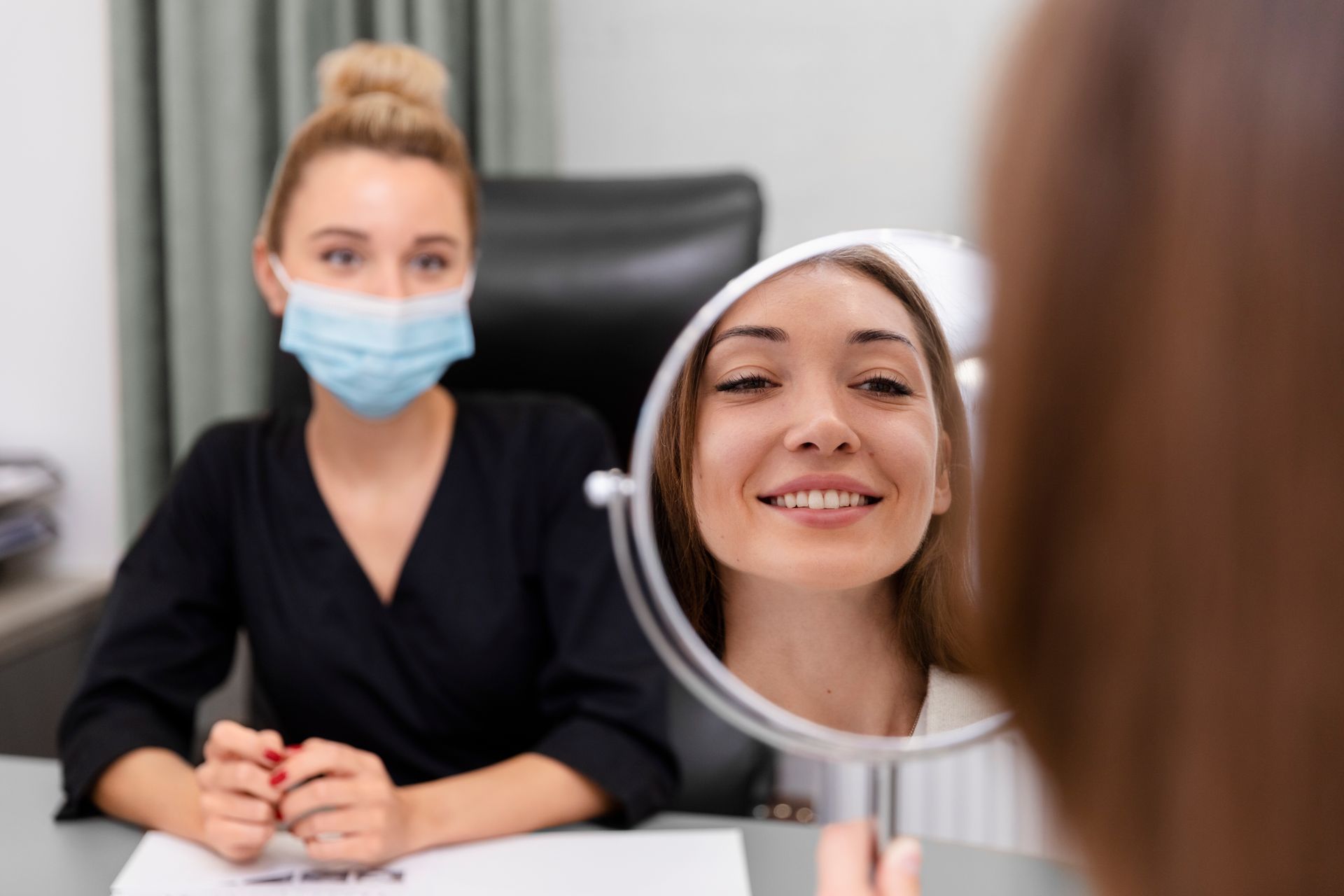
Masked Dentist Smiling in a Mirror — A9 Skin and Hair Clinic in Westmead, NSW
June 25, 2025
At A9 Skin & Hair Clinic Parramatta, we believe in harnessing the power of your body’s natural healing to improve hair and skin health. PRP and PRF therapies are innovative, minimally invasive treatments that are transforming aesthetic medicine.Understanding PRP and PRFBoth treatments use platelet-rich components from
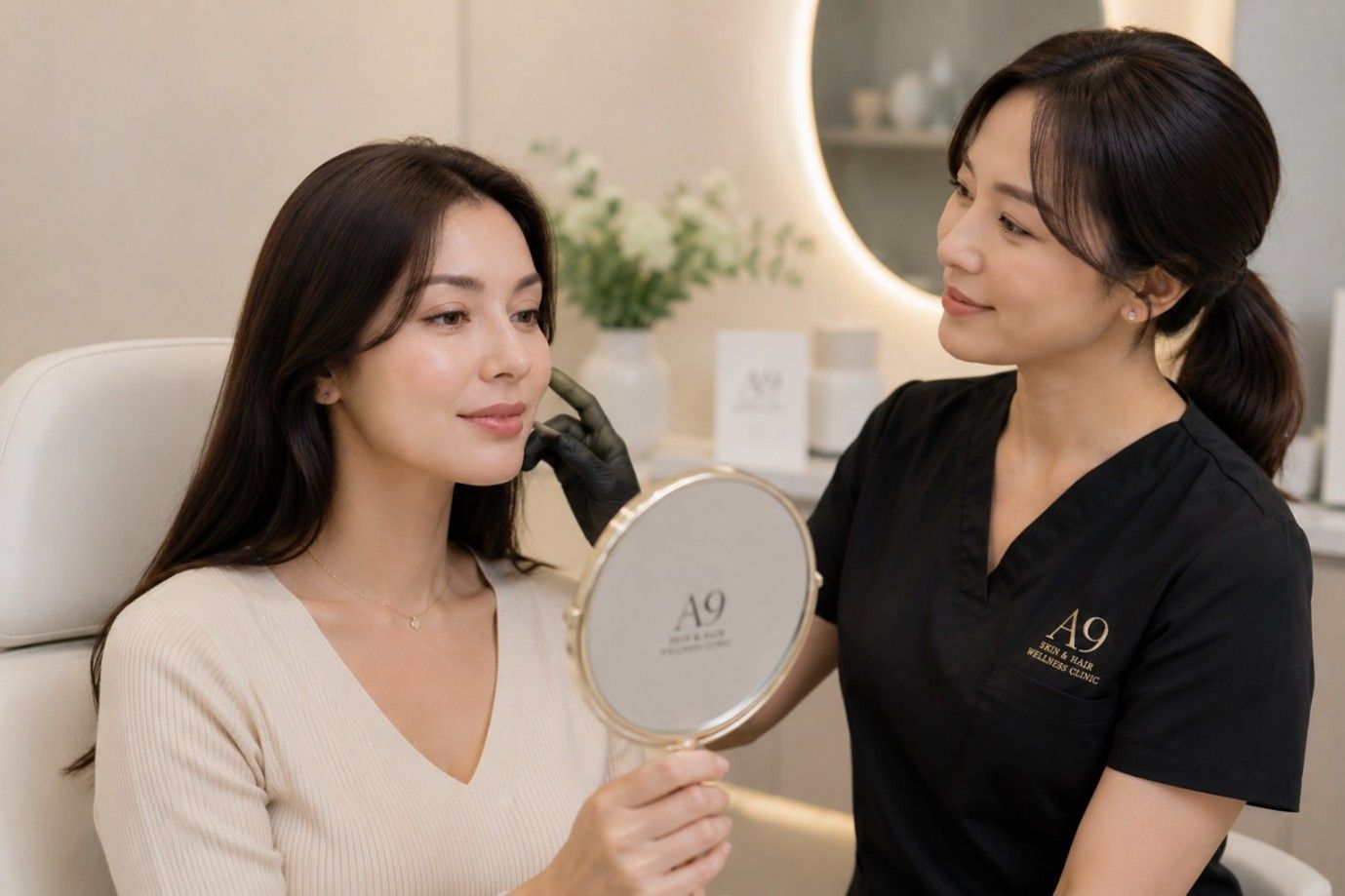
PRF & PRP microneedling — A9 Skin and Hair Clinic in Westmead, NSW
June 25, 2025
Looking for youthful, glowing skin without surgery? The combination of PRF & PRP microneedling offers a powerful treatment to rejuvenate your face naturally. A9 Skin & Hair Clinic Parramatta provides this advanced skin therapy to restore your skin’s vitality.What is PRF & PRP Microneedling?
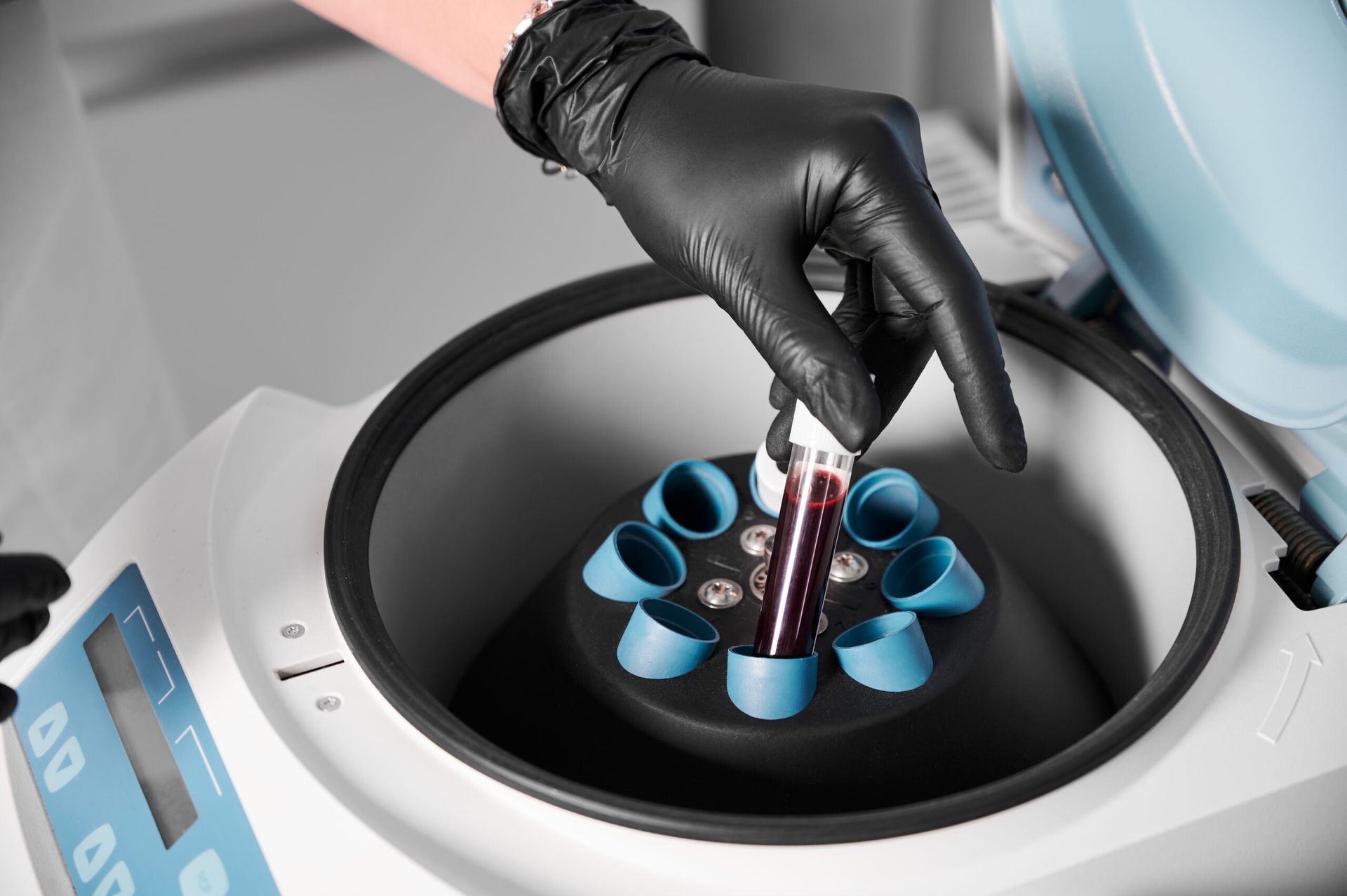
Gloved Hand Placing a Test Tube — A9 Skin and Hair Clinic in Westmead, NSW
June 25, 2025
Blog Home June 25, 2025 Beauty, Hair, Skin How PRP & PRF Treatments at A9 Skin & Hair Clinic Parramatta Can Transform Your Hair and Skin At A9 Skin & Hair Clinic Parramatta, we believe in harnessing the power of your body’s natural healing to improve hair and skin health. PRP and PRF therapies are
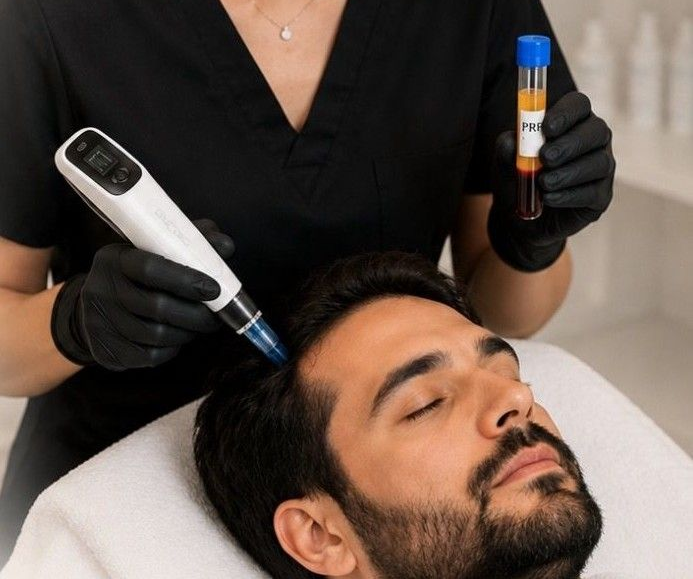
PRP Hair Treatment — A9 Skin and Hair Clinic in Westmead, NSW
June 25, 2025
Hair loss can be distressing, but with advancements in medical aesthetics, effective solutions like PRP hair treatment are changing lives. At A9 Skin & Hair Clinic in Parramatta, we specialize in Platelet-Rich Plasma (PRP) therapy to help you regain thicker, healthier hair.What is PRP Hair Treatment?PRP hair treatment
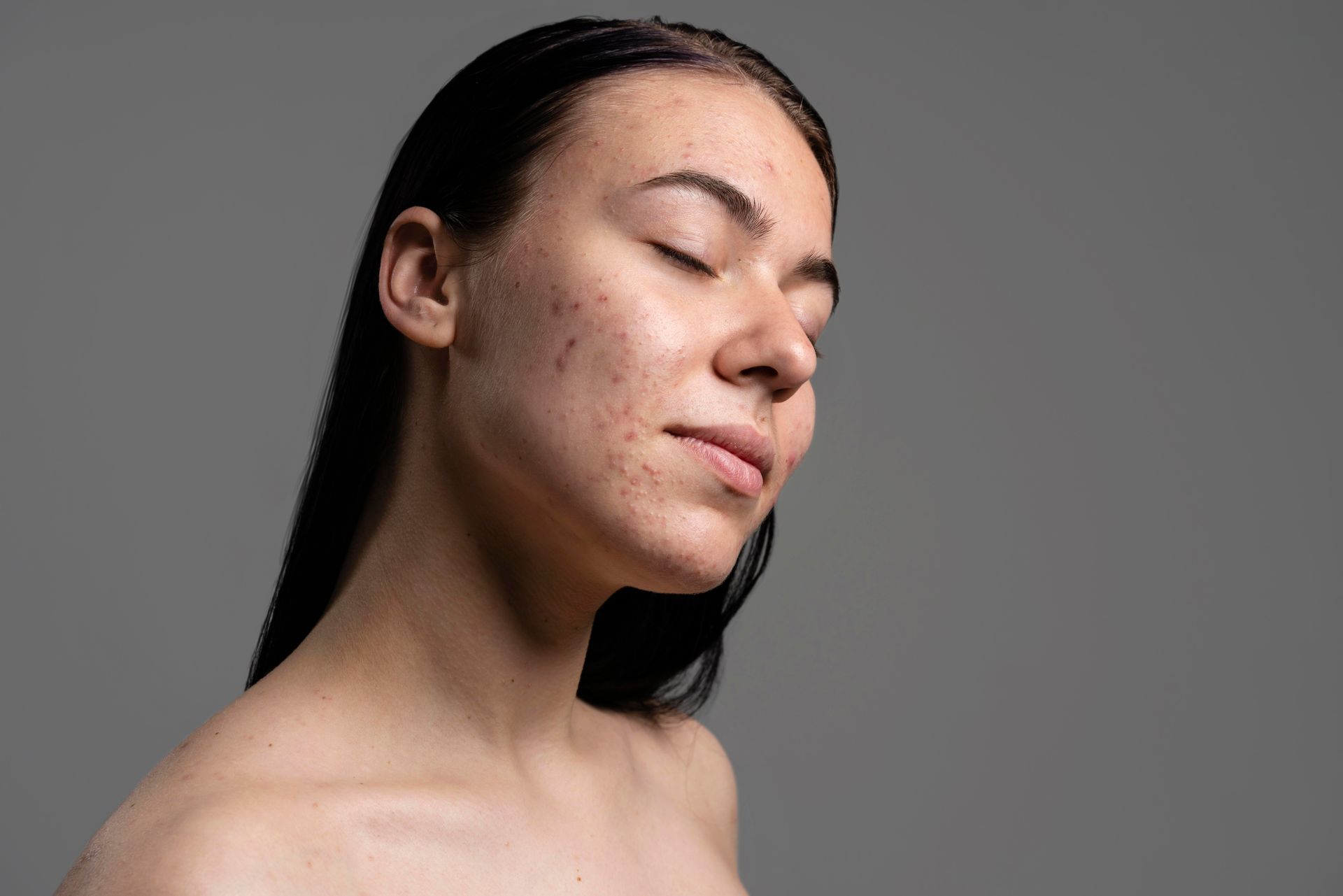
Portrait of a Person With Eyes Closed — A9 Skin and Hair Clinic in Westmead, NSW
February 24, 2025
Acne is one of the most common skin concerns affecting people of all ages. From hormonal breakouts to stubborn cystic acne, it can impact self-confidence and overall skin health. In this guide, we’ll explore the causes of acne, prevention tips, and the best treatments available to achieve clear, healthy skin.What Cause

Red Construction Crane Lifting a Grey Beam — A9 Skin and Hair Clinic in Westmead, NSW
February 24, 2025
Aging is a natural process, but that doesn’t mean we can’t age gracefully! Fine lines and wrinkles are often caused by sun exposure, collagen loss, and lifestyle factors. In this blog, we’ll share expert-approved methods to reduce signs of aging and keep your skin youthful.What Causes Wrinkles?Collagen & Elastin Breaks

Smiling Woman With Bare Shoulders — A9 Skin and Hair Clinic in Westmead, NSW
February 24, 2025
Hyperpigmentation is a common skin concern that results in dark patches and uneven skin tone. It is caused by sun exposure, hormonal changes, or acne scars. Fortunately, there are effective ways to treat and prevent it.Common Causes of HyperpigmentationSun Damage: UV exposure triggers excess melanin production, leading
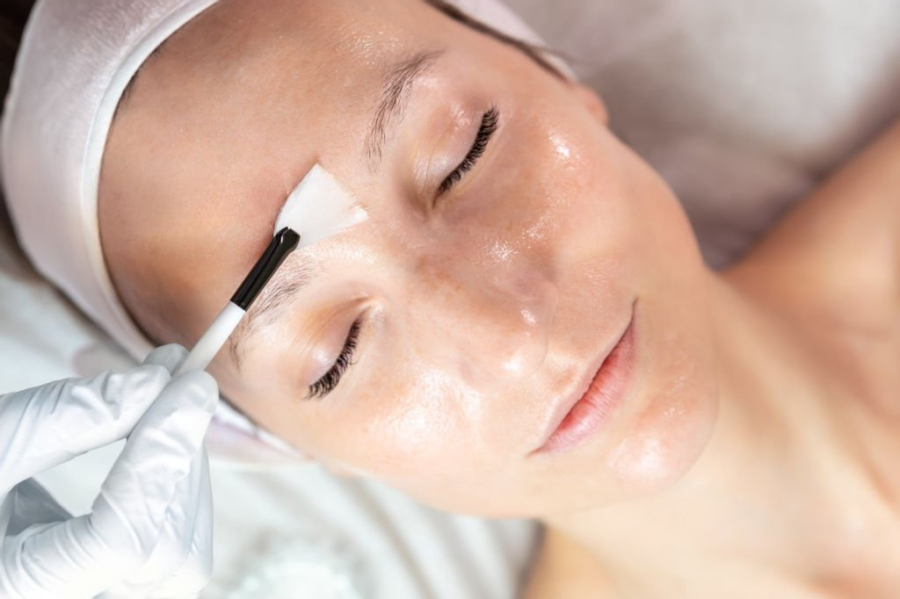
Healthcare Worker Performing Scalp Procedure — A9 Skin and Hair Clinic in Westmead, NSW
January 24, 2025
Hair loss can be distressing, affecting both men and women. Understanding its causes is crucial to finding the right treatment. Let’s explore what leads to hair thinning and how to restore healthy hair.Causes of Hair LossGenetics (🧬) – Androgenetic alopecia runs in families.Hormonal Imbalance (⚖️) – PCOS, thyroid issu
Woman Receiving a Facial Treatment — A9 Skin and Hair Clinic in Westmead, NSW
January 24, 2025
Blog Home June 25, 2025 Beauty, Hair, Skin How PRP & PRF Treatments at A9 Skin & Hair Clinic Parramatta Can Transform Your Hair and Skin At A9 Skin & Hair Clinic Parramatta, we believe in harnessing the power of your body’s natural healing to improve hair and skin health. PRP and PRF therapies are - Page 2