
Visit Our Clinic in Westmead
Alopecia Areata Treatment in Parramatta
- Free Consultations
- Aesthetic Treatments
- Hair Restoration
- Gift Vouchers Available
- Buy in Bulk and Save
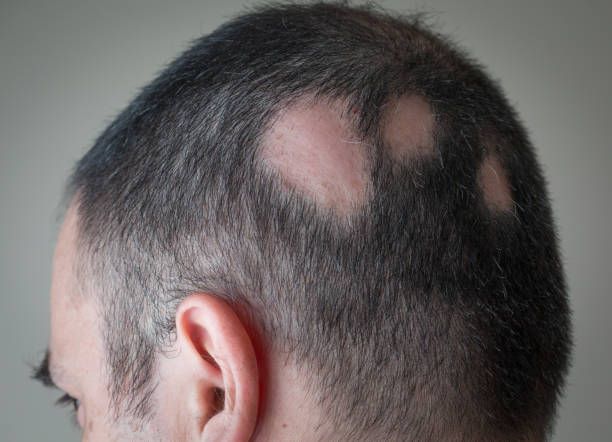
Understanding Alopecia Areata Hair Loss
Alopecia Areata is an autoimmune disorder that causes sudden, patchy hair loss when the immune system mistakenly attacks healthy hair follicles. This results in small, round bald patches on the scalp, beard, eyebrows or other areas of the body. The severity of the condition can vary, with some individuals experiencing only a few isolated patches, while others may face complete scalp hair loss (Alopecia Totalis) or full-body hair loss (Alopecia Universalis).
At A9 Skin & Hair Wellness Clinic in Parramatta, our support for alopecia areata focuses on understanding how the condition presents for each individual and helping manage changes in hair growth and scalp health. While the exact cause is not always known, factors such as genetics, stress and immune system responses may contribute to flare-ups. Although there is no definitive cure, ongoing care can help support hair regrowth and overall scalp condition. If you’ve noticed sudden or patchy hair loss, call 0410 955 299 to discuss your concerns and explore your options.
Causes Behind Alopecia Areata
Alopecia areata develops when the immune system targets hair follicles, disrupting the normal hair growth cycle. Although the exact trigger is not always clear, a combination of internal and external factors may play a role. Understanding these contributing factors can help in recognising patterns and managing the condition over time.
- Autoimmune Response – The body mistakenly attacks healthy hair follicles
- Genetics – A family history may increase susceptibility
- Stress & Anxiety – High stress levels may trigger or worsen the condition
- Environmental Factors – Viruses, infections or allergens may contribute to flare-ups
If you’re looking to better understand what may be contributing to your hair loss, we can help you identify possible triggers and support your scalp health. Get in touch or book online to take the next step.
Autoimmune Insight
Personalised Support
Scalp-Focused Care
FAQ
Can alopecia areata be cured?
There is currently no permanent cure for alopecia areata, as it is an autoimmune condition. However, the condition can sometimes be managed, and hair regrowth may occur in certain cases. The response can vary depending on the individual and the severity of the condition. Some people may experience periods of regrowth followed by further hair loss. The condition is often unpredictable over time.
Can alopecia areata spread to other people?
Alopecia areata is not contagious and cannot be passed from one person to another. It occurs when the immune system mistakenly targets healthy hair follicles. This means it is related to internal immune function rather than infection. Contact with someone who has the condition does not pose any risk. It can affect people of all ages and backgrounds.
Will hair grow back after alopecia areata?
Hair regrowth with alopecia areata can vary from person to person. Some individuals experience full regrowth, while others may have recurring episodes of hair loss. In some cases, hair may grow back temporarily before falling out again. The pattern and timeline are often difficult to predict. The condition can change over time depending on individual factors.
Will hair grow back after alopecia areata?
The exact trigger for alopecia areata is not fully understood, but several factors may contribute to its onset. These can include stress, infections, genetic predisposition and immune system dysfunction. In some cases, flare-ups may occur without a clear cause. Triggers can vary between individuals and may change over time. Identifying patterns may help in understanding how the condition develops.
Can lifestyle changes help with alopecia areata?
Lifestyle factors such as diet, stress levels and overall health may influence how alopecia areata presents. While these factors do not prevent or cure the condition, they may play a role in overall hair and scalp health. Some individuals may notice changes in how often flare-ups occur. The impact can vary depending on the individual. Maintaining general wellbeing can support overall health.
Reach Out
Tell us about your hair concerns and what you’d like to achieve.
Our team will be in touch to guide you through your next steps.
Contact Us
Thank you for contacting A9 Skin and Hair Clinic.
We will get back to you as soon as possible.
Oops, there was an error sending your message.
Please try again later.